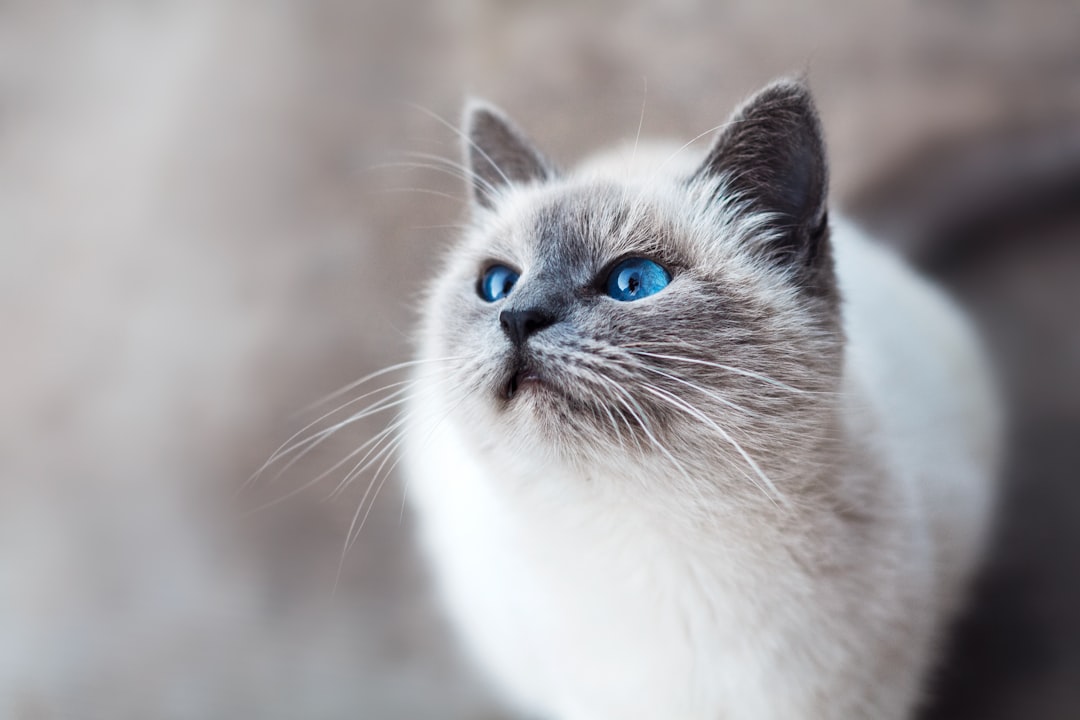
Ragdoll cats are easy to fall for. They are beautiful, affectionate, and often unusually relaxed around people. For many households, that sounds like the perfect cat.
Still, Ragdolls are not as effortless as their calm reputation can make them seem. They tend to do best when owners understand their grooming needs, pay attention to subtle behavior changes, and stay ahead of weight and health concerns. If you already share your home with a Ragdoll, or you are thinking about adopting one, it helps to know what this breed is really like day to day.
Why Ragdolls appeal to so many families
Ragdolls are known for being social, gentle, and closely attached to their people. Many like to follow family members from room to room, settle nearby when the house is quiet, and take an active interest in daily routines. Some are playful and goofy, while others are more laid-back, but the breed is generally loved for being affectionate without being overly demanding.
That can make them a strong fit for homes that want an interactive cat rather than one that keeps to itself. Many Ragdolls do well with respectful children, calm dogs, and adults who enjoy a pet that feels involved in home life.
What owners sometimes miss is that easygoing does not mean low-maintenance. Ragdolls still need regular grooming, thoughtful observation, and routine veterinary care.
Temperament matters just as much as appearance
Ragdolls are often bred for temperament as much as looks. Their blue eyes, soft coat, and colorpoint pattern may catch attention first, but their personality is usually what wins people over.
That same social nature can also make them more sensitive to stress than some owners expect. Many Ragdolls prefer predictable routines and familiar surroundings. Changes such as a move, a new pet, houseguests, construction noise, or a major schedule shift can lead to quiet behavior changes. Some cats may hide more, eat less, seem clingier, or become less playful.
For Walnut Creek households balancing work, school, commutes, and busy family schedules, that matters. Cats are already good at hiding discomfort, and a naturally mellow breed can be especially easy to misread as simply being quiet. Small changes in behavior are often worth paying attention to.
Coat care is manageable, but it is not optional
Ragdolls have a semi-long coat that is often described as easier to maintain than the coat of some other long-haired breeds. That is partly true, but it can give owners the wrong idea. Their coat still needs regular care.
Many Ragdolls do well with brushing a few times a week. Others need more attention during seasonal shedding or if the coat starts to tangle in friction areas such as the belly, behind the legs, or under the front legs. Mats can become uncomfortable quickly once they tighten against the skin.
It also helps to watch for:
- loose hair and frequent hairballs
- stool buildup around the rear end
- overgrown nails
- skin irritation hidden under the coat
A home grooming routine does more than keep a Ragdoll looking nice. It also gives owners a chance to notice changes in skin, body condition, or comfort before those issues become more obvious.
Why indoor life usually suits this breed best
Ragdolls are usually best kept indoors. They tend to be trusting and may be less cautious about outdoor dangers than some other cats. Traffic, loose dogs, wildlife, parasites, toxins, and conflict with other cats can all create real risk.
That does not mean indoor life has to be dull. Ragdolls usually do best when they have plenty of enrichment, including window perches, climbing spaces, scratching areas, food puzzles, and regular interactive play. Some also enjoy supervised patio time or gentle harness training, though that depends on the individual cat.
The goal is to keep them mentally engaged and physically comfortable, not to assume they will create their own activity.
Weight gain is a common issue in Ragdolls
Ragdolls are large cats, which can make weight problems harder to spot early. A cat can be naturally big without being overweight, and the difference is not always obvious to owners.
Extra weight can affect long-term health in several ways. It may reduce mobility, increase joint strain, make grooming harder, and raise the risk of conditions such as diabetes. In a breed that already tends to enjoy lounging, weight can creep up gradually if feeding habits and activity levels are not monitored.
That is one reason routine weight checks and body condition discussions are useful during veterinary visits. It is much easier to address mild weight gain early than to reverse obesity later.
Heart disease is one breed-related concern owners should know
One of the better-known medical concerns in Ragdolls is hypertrophic cardiomyopathy, or HCM. This is a disease in which the heart muscle becomes abnormally thick. HCM can occur in cats of many backgrounds, but it has been studied closely in breeds that include Ragdolls.
That does not mean every Ragdoll will develop heart disease. It does mean owners should be aware of the breed association and discuss heart health with their veterinarian as part of routine care.
One challenge with HCM is that some cats show no obvious signs early on. Others may develop changes such as:
- lower energy
- faster or more noticeable breathing
- less interest in play
- hiding more than usual
- sudden distress in more severe cases
Because the early signs can be subtle, regular exams matter. A veterinarian can help decide when monitoring, follow-up exams, or additional cardiac evaluation may make sense based on your cat’s age, history, and physical exam.
Other health issues worth watching
Ragdolls are not defined by one disease risk. Like any breed, they can also develop more routine feline health problems that are easier to manage when caught early.
Owners should keep an eye out for issues such as:
- dental disease
- obesity-related problems
- chronic soft stool or digestive upset
- urinary changes, especially straining or litter box habit changes
- reduced jumping or stiffness in a large-bodied cat
- stress-related behavior changes
Often, the first clues are small. A cat may groom less carefully, seem slightly less interested in food, avoid jumping to a favorite spot, or show a change in litter box output. Those signs are easy to dismiss at first, especially in a cat that still seems affectionate and calm.
Why having a local vet matters for Ragdoll owners
For Ragdoll owners, one of the biggest benefits of establishing care with a primary vet clinic is having a baseline. That includes weight trends, heart and lung sounds, coat and skin condition, dental health, and a clearer picture of what is normal for your cat over time.
That baseline can be especially helpful with a breed that may stay outwardly calm even when something is changing. In Walnut Creek, where busy schedules can make it tempting to wait and see, an established veterinary relationship makes it easier to act sooner when a subtle problem shows up.
Earlier conversations are often better than waiting for a cat to look clearly sick.
Is a Ragdoll the right cat for every home?
Not always. Ragdolls are often a great fit for people who want a companionable indoor cat and are prepared for regular grooming, preventive care, and a pet that stays closely connected to the household. They may be less ideal for homes that want a very independent cat or for owners who are not ready to stay on top of coat care and body weight.
They are loving cats, but they are not maintenance-free cats.
For the right home, though, a Ragdoll can be a deeply rewarding companion. If you already have one, or you are considering bringing one home, the best approach is simple: enjoy the breed’s affectionate nature, but stay practical about grooming, weight, and long-term health. A trusted vet clinic in Walnut Creek can help you do that at every life stage.